
Art that tells your story.
Canvas works born of Slavic myth, Nordic frost, and Gothic darkness — inhabited by angels, demons, and untamed spirits.
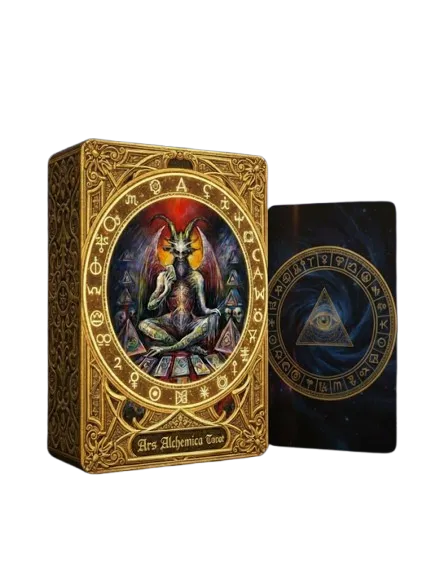
Ars Alchemica Tarot
An original, author-created tarot deck.
SLAVIC MYTHOLOGY
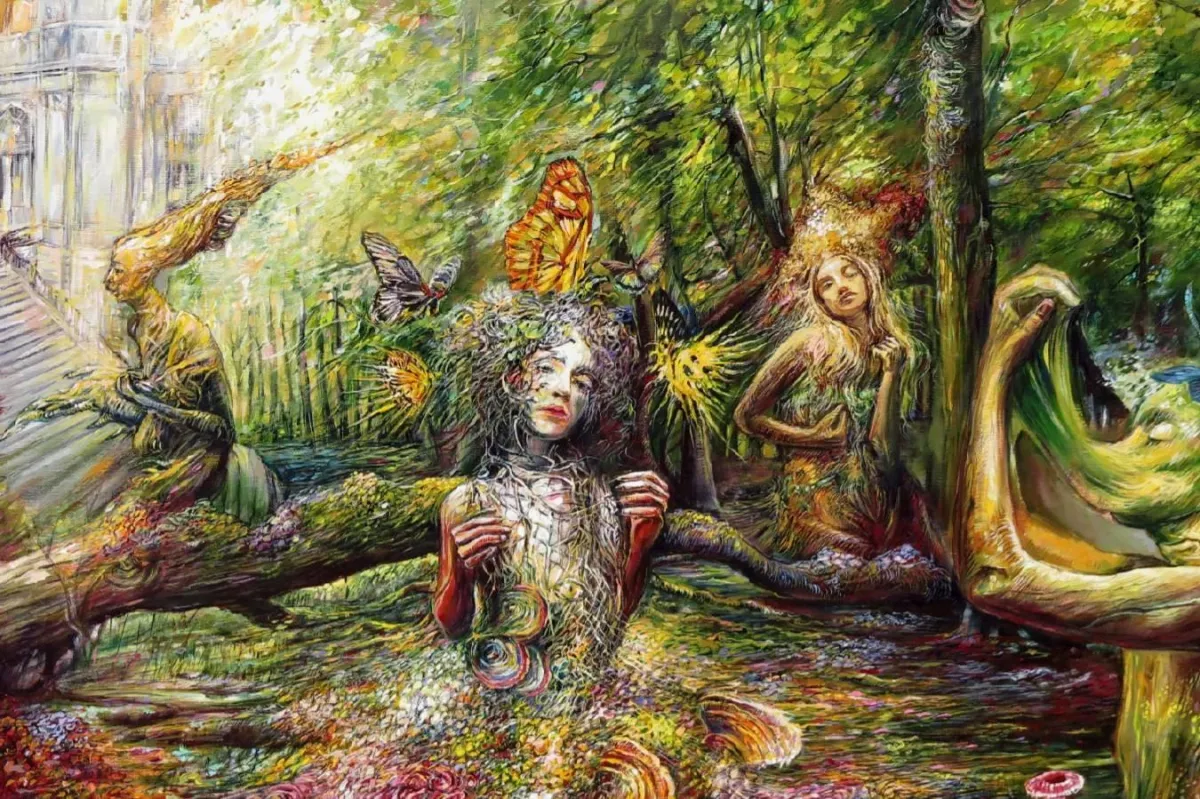
In paintings inspired by Slavic mythology, a world awakens where forests once whispered the names of gods and rivers carried the memory of ancient dreams.
Each canvas is an encounter with the forgotten soul of this land — a power that needs no temples, because it lives in fire, water, and the human spirit.
VAMPIRES & GOTHIC
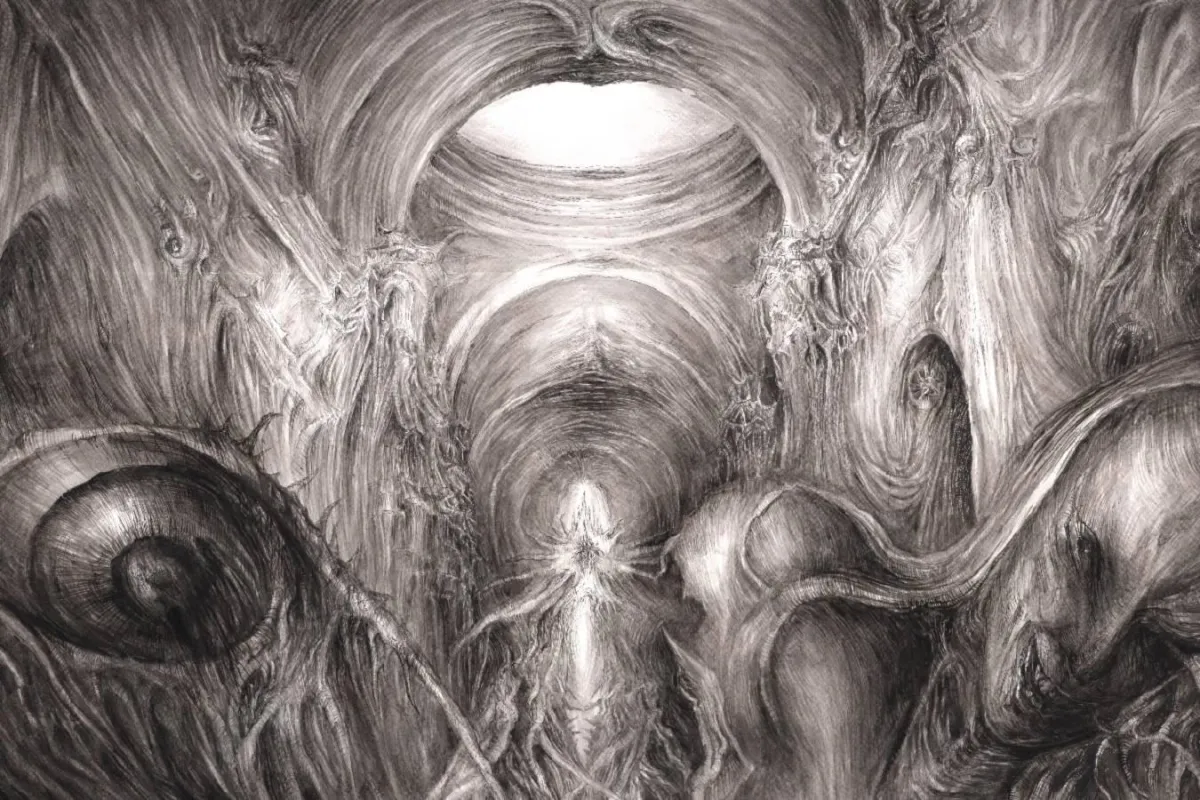
Vampiric paintings on the border between Gothic and dream speak of the desire for immortality.
Here, darkness is not evil; it is an emotional space where beauty intertwines with fear, and passion with silence.
Each canvas trembles with tension between light and blood, as if life itself were free from the shadow.
TOLKIEN
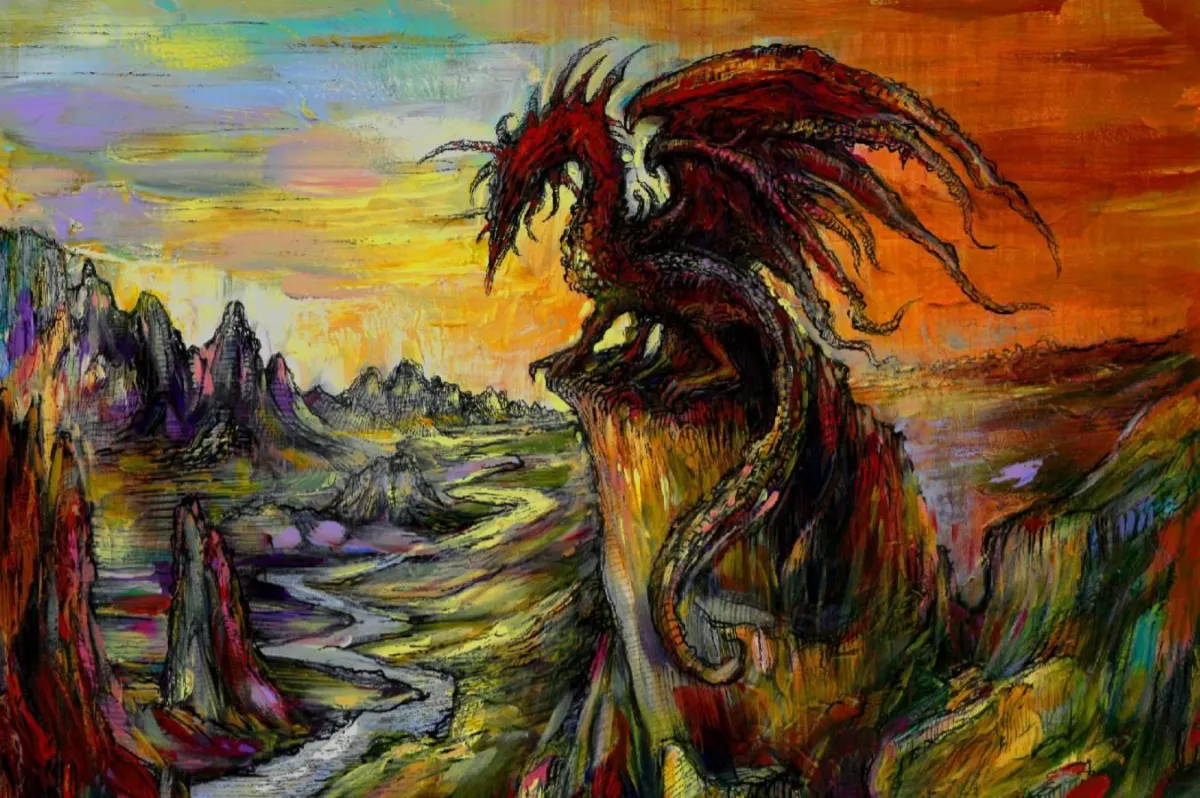
In this series inspired by Tolkien’s world, each canvas becomes a gateway to realms where the light of Valinor mingles with the shadow of Mordor.
These painted tales speak of the courage of small beings, the melancholy of elves, and the power of ancient days that still tremble in the roots of Middle-earth.
ANCIENT CULTURES
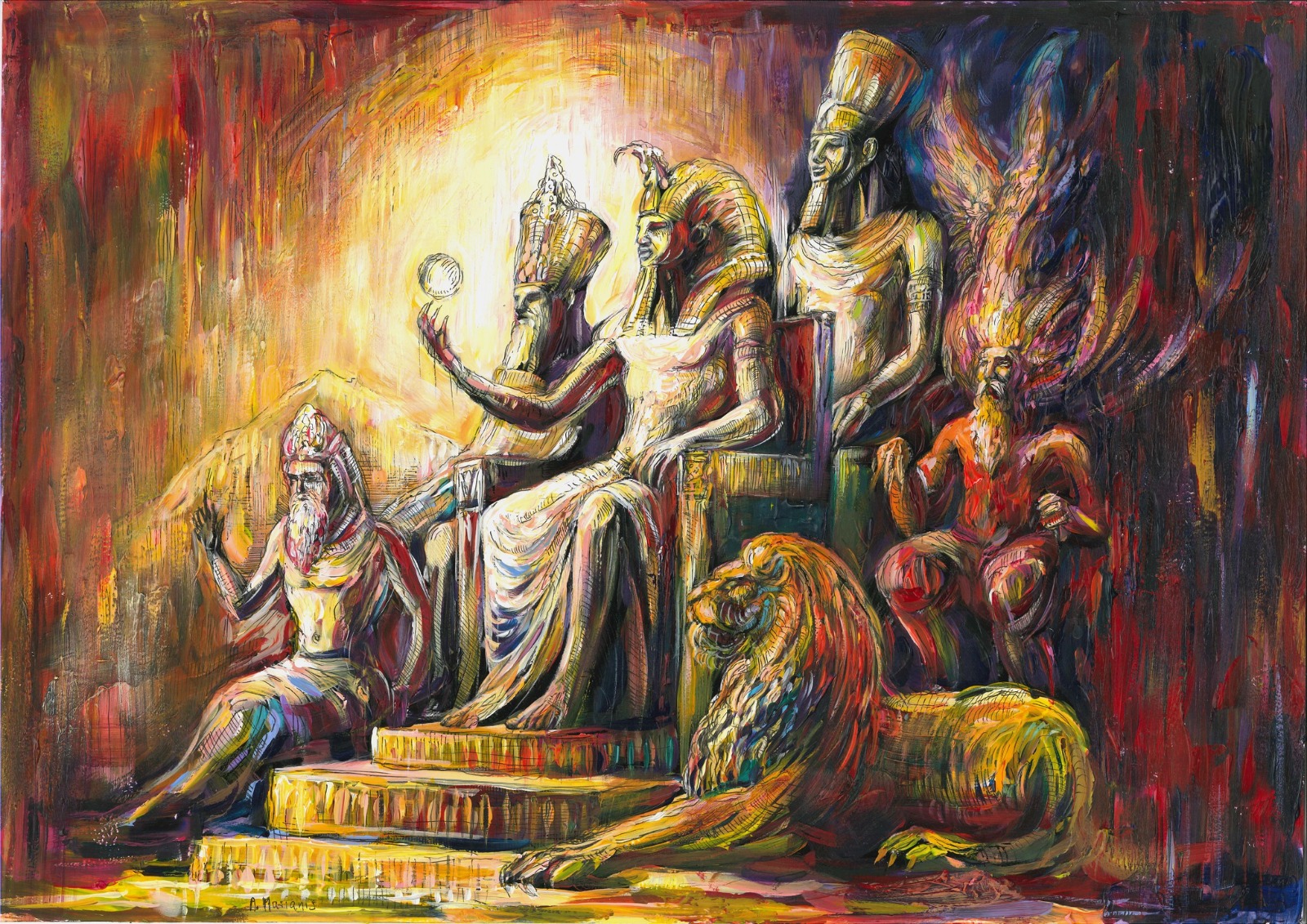
In a series of paintings inspired by ancient cultures — especially Egypt — the sacred and the earthly intertwine in a story of eternity.
These are visions filled with silence: figures of gods, priests, and threshold guardians emerge as if from hieroglyphs and their gaze seems to guide the viewer toward what lies hidden .
ANGELS & DEMONS
In this series devoted to angels and demons, light and shadow intertwine in a narrative where neither pole can exist without the other.
These are visions charged with tension — ethereal figures suspended in radiance contrast with the power of beings carved from darkness, as if both sides were engaged in their own silent war.
ARS REGIA
In this series inspired by Ars Regia, each composition pulses with alchemical symbolism — the gold of transformation, the black of dissolution, and the white of rebirth.
These are visions in which matter and spirit meet at a single point, and the creative process itself becomes a metaphor for the Great Work.
NORDIC MYTHOLOGY
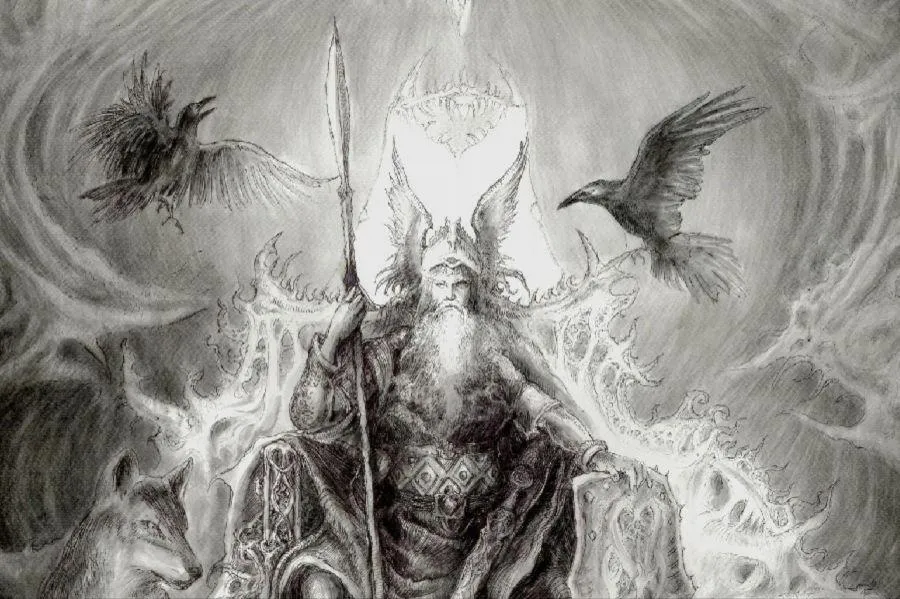
In this series inspired by Norse mythology, the raw austerity of the North meets the symbolism of gods whose fates are carved into runes .
Each canvas pulses with elemental force — the fire of Muspell, the ice of Niflheim, and the breath of wind — carrying echoes of ancient sagas.
These are stories painted in light and shadow, where courage,
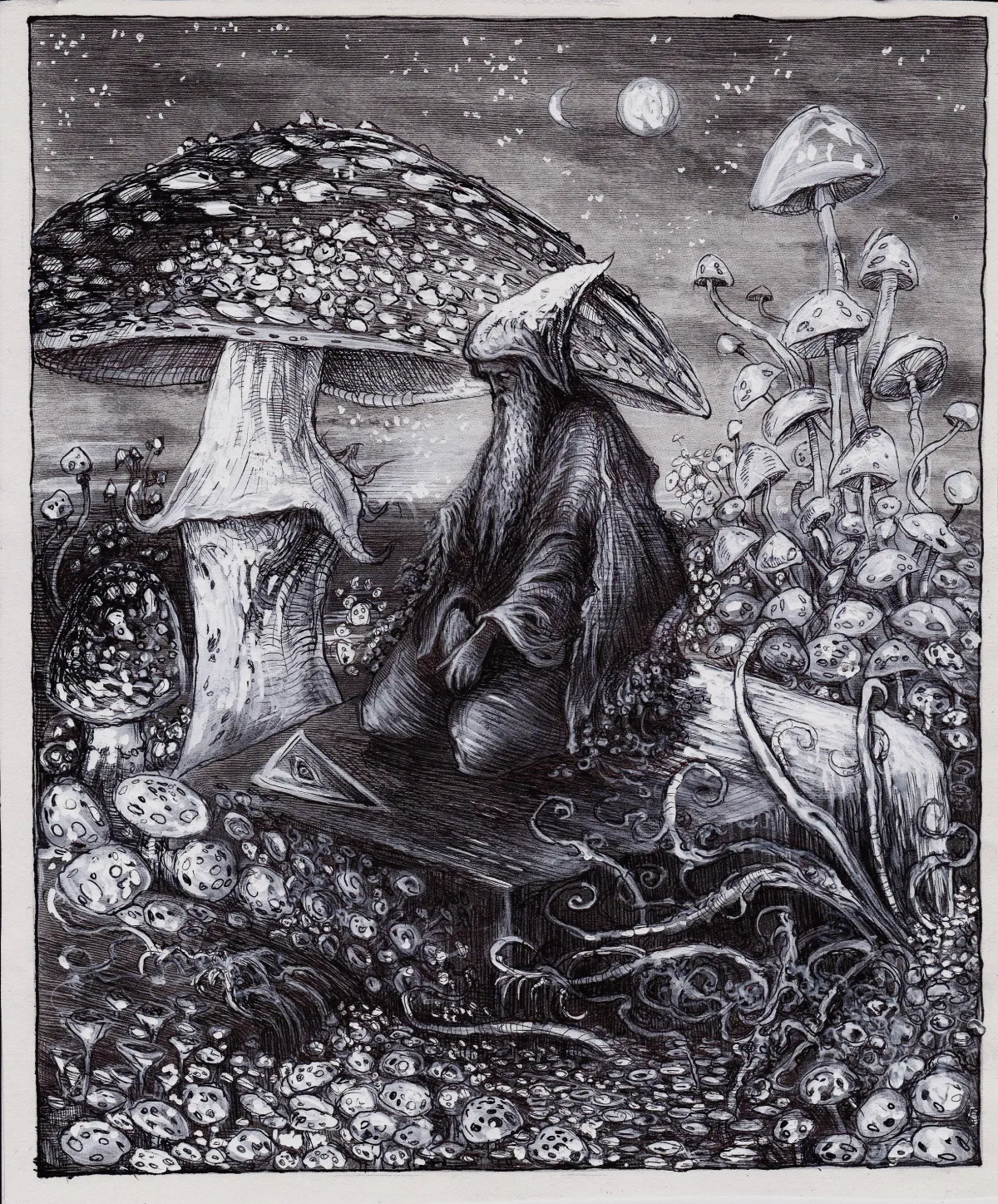
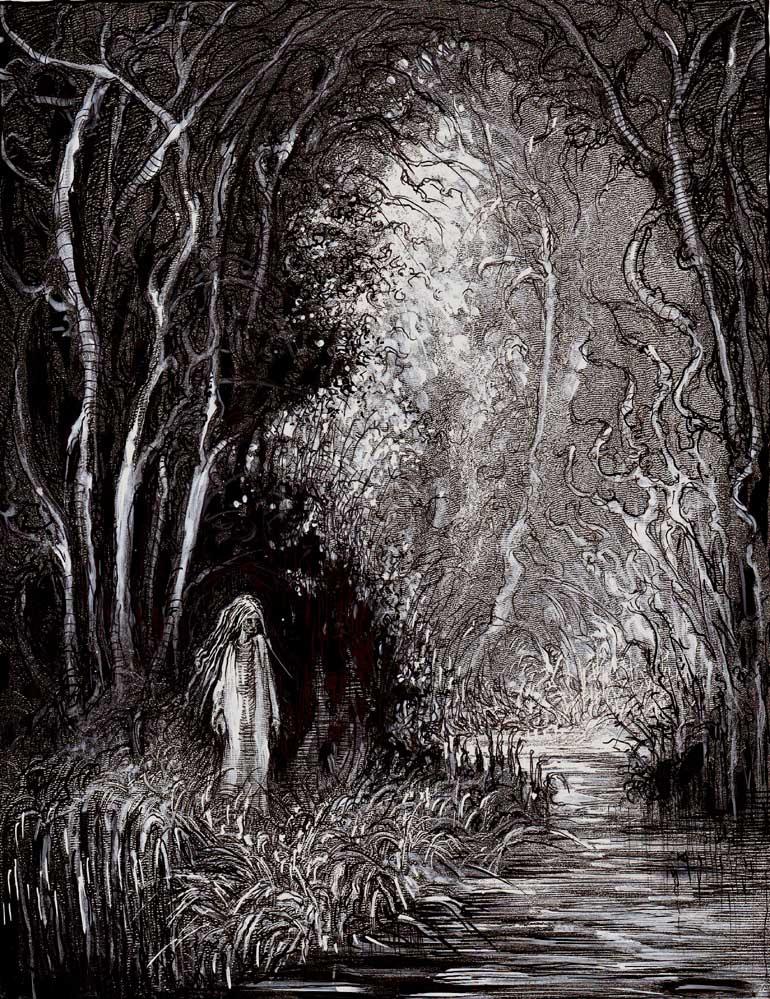
Who Am I ?
My name is Andrzej Masianis. I am a painter and draftsman with many years of experience.
I graduated from the Faculty of Fine Arts at Nicolaus Copernicus University in Toruń.
I specialize in painting, drawing, and graphic art, combining classical techniques with a contemporary approach to visual expression.
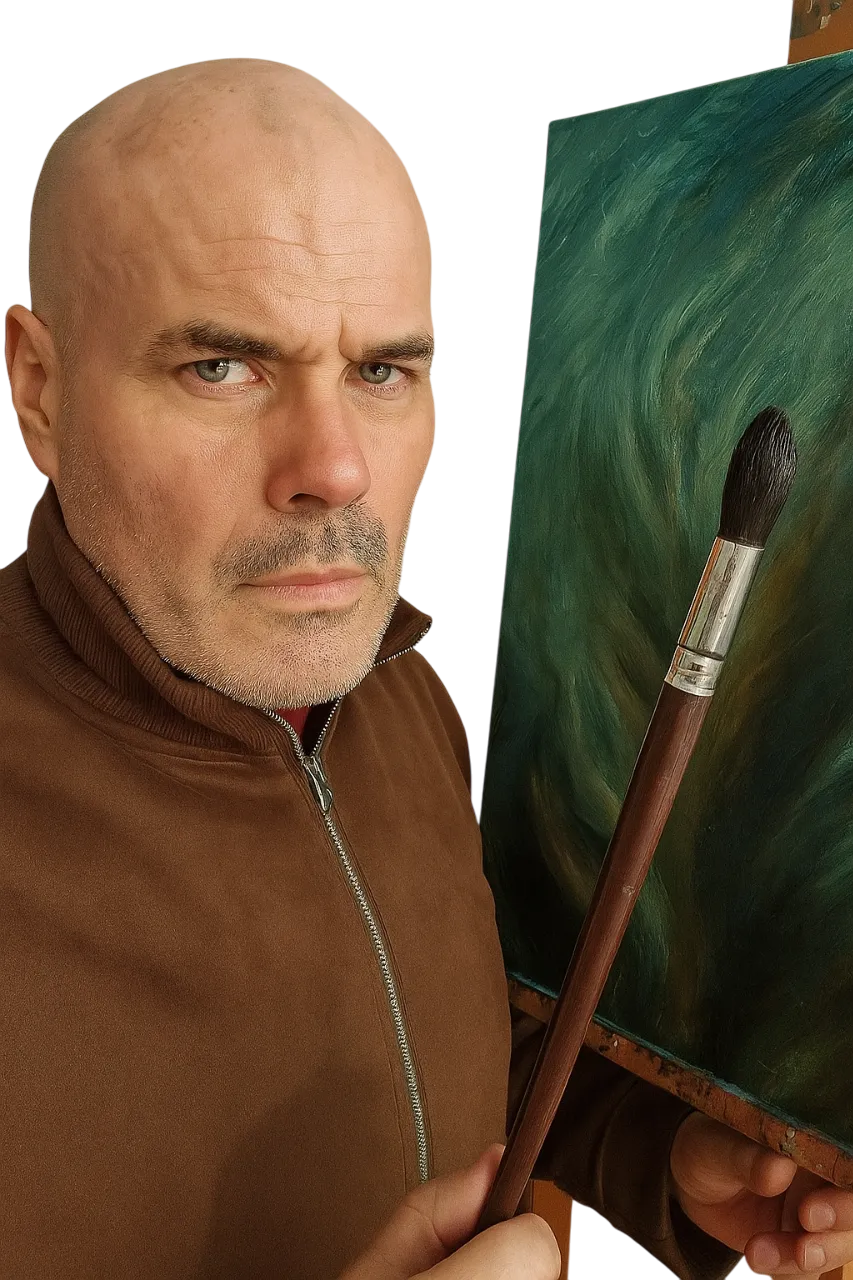
1. Concept & discussion
Everything begins with a meeting or conversation with the client.
It’s the moment when the artist listens closely to the emotions, symbolism, and intention behind the request.
It’s not just about the topic itself (“I want a forest”), but about the meaning — what that forest is meant to tell.
At this stage, the following take shape:
a description of the vision (verbal or symbolic),
a decision about the format and technique,
inspirations (photos, texts, emotions, myth, memory).

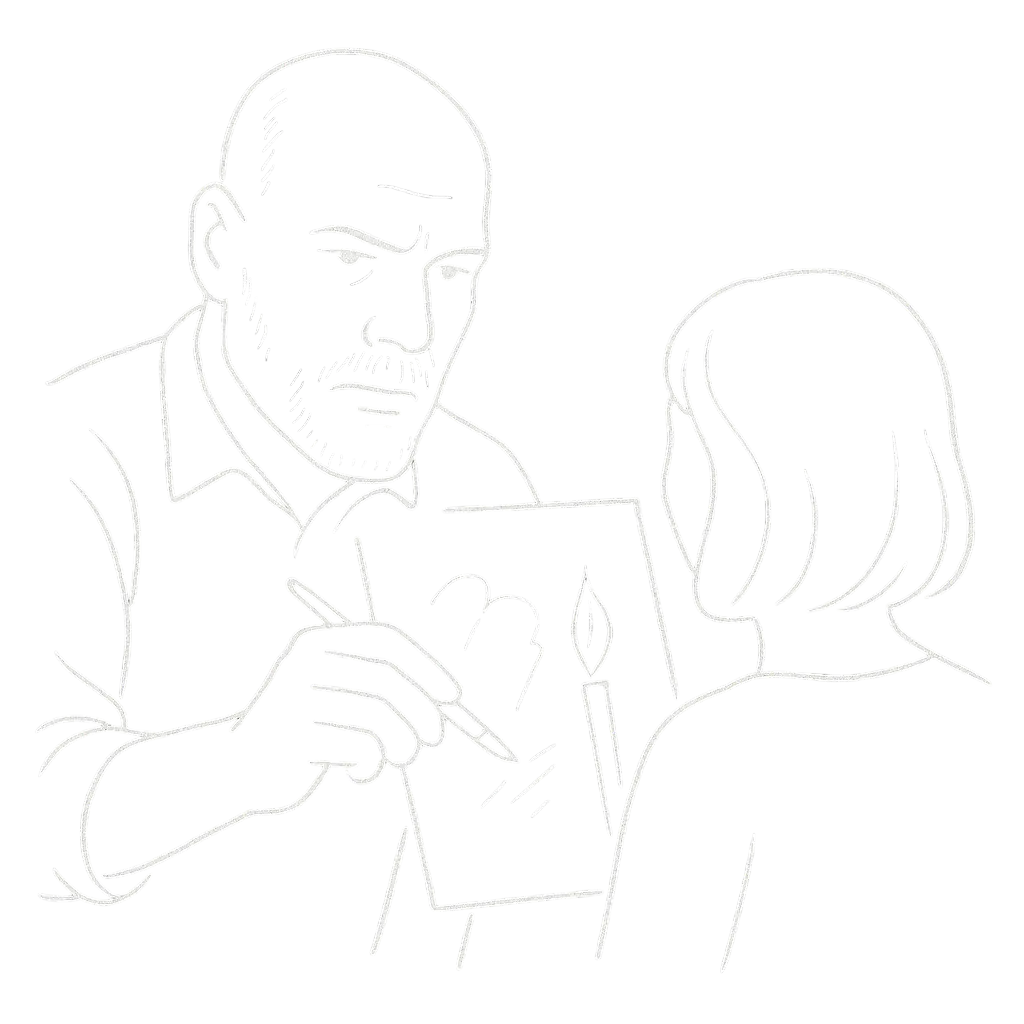
2. Concept sketch
The artist creates 2–3 concept sketches (digital or pencil) to show the composition and mood.
The client chooses one direction, or optionally combines elements from several proposals.
This is the stage where the following are defined:
the dominant color palette,
the symbolism (whether figures, elements, or mythological motifs will appear),
the overall rhythm of the painting.
3. Preparing the Surface and Palette
Once the concept is approved, the artist prepares the canvas, primer, color palette, and test color combinations.
They often also create a “light map” — an internal sketch of the directions of energy and emotion within the painting.
This is a stage of technical and spiritual calibration before the actual painting begins.

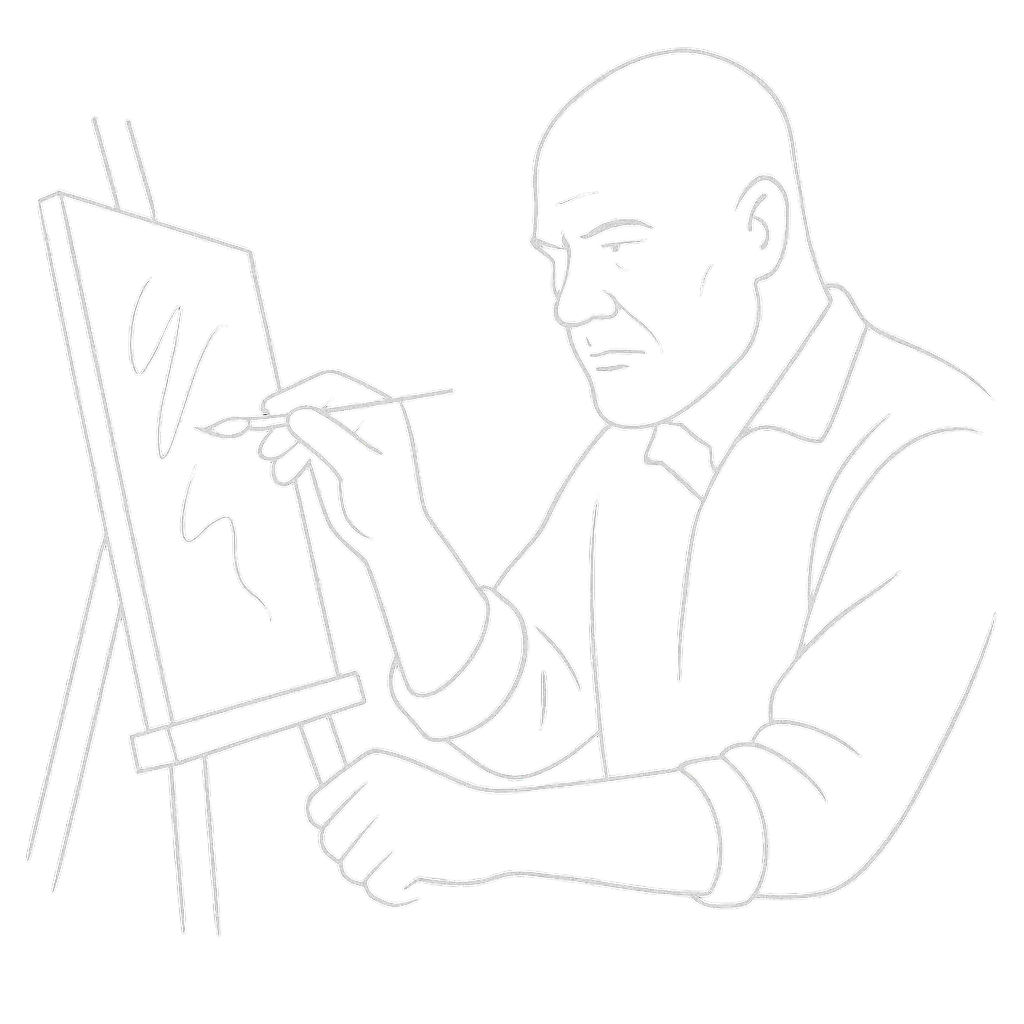
4. Painting
The first layers are about building mood, not details.
The artist paints through emotion, often listening to music or following the rhythm of their breath.
This is where the atmosphere is born — mist, shadow, light, the main color.
The client may (if they wish) see an initial photo and share their impressions, but without interfering in the creative process.
5. Narrative layers
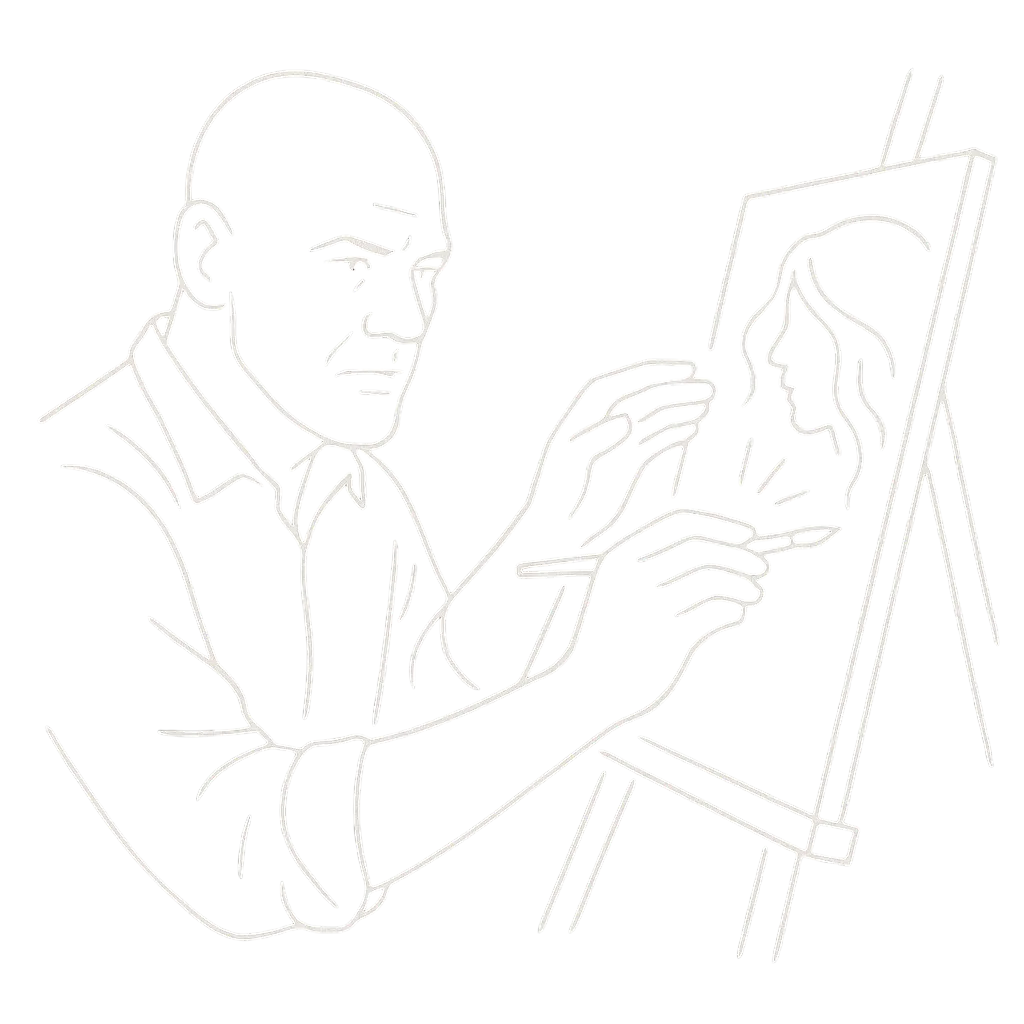
Once the mood is set, the content begins to appear — a figure, a symbol, a gesture, the relationship between forms.
The artist enters into a dialogue between the client’s vision and their own intuition.
This is the moment when the painting begins to “come alive,” and its meaning becomes multi-layered.
6. Final touches and signature
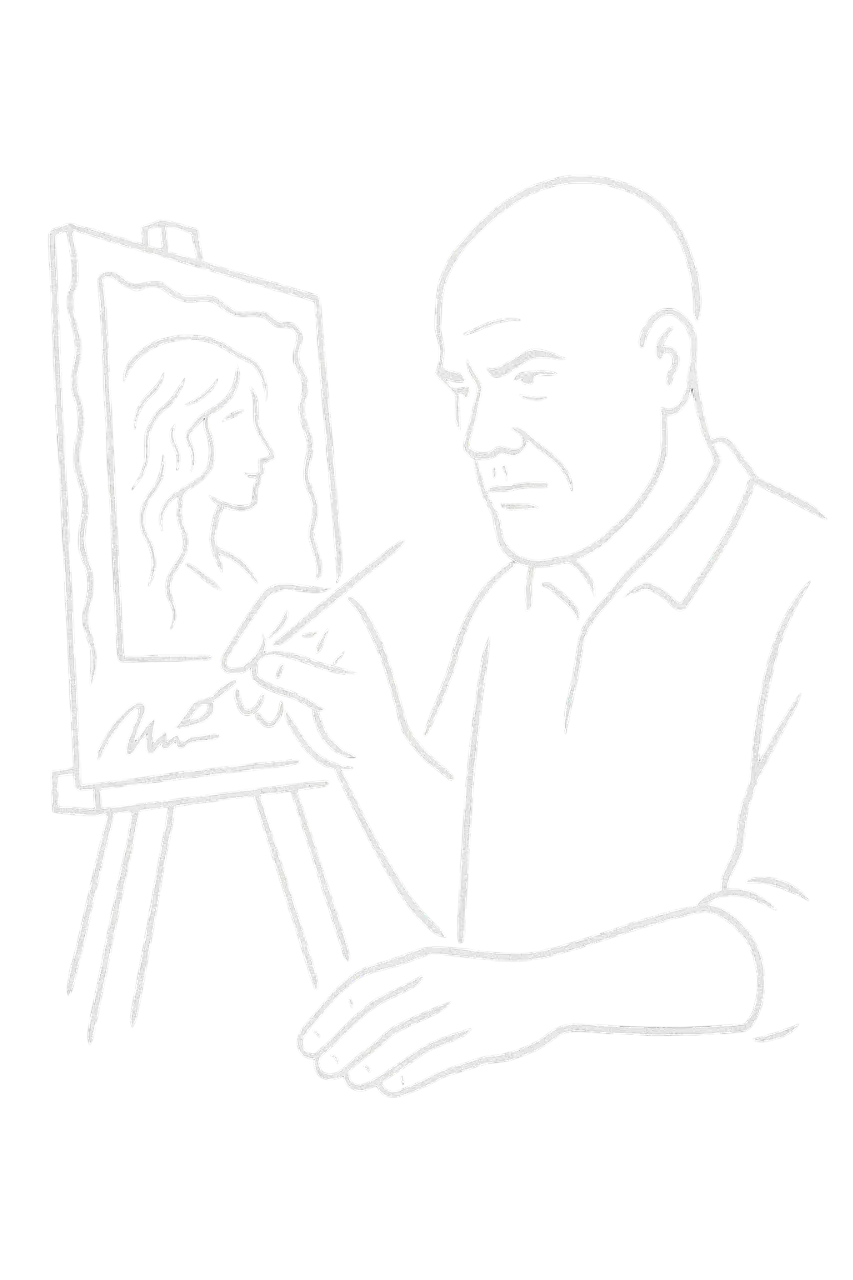
The final brushstrokes are about calming the composition and giving it rhythm and harmony.
The artist adds their signature — a mark of authenticity, but also a seal of energy.
Once the work is dry, it is varnished and prepared for presentation.
Contact with me